

The Last Word and the Word After That
Brian D. McLaren, 282 pages

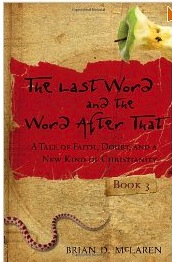
Looking at historical context, human motivations, language usage over time and other sociopolitical factors, the author evaluates various Christian views on hell, damnation, God and Jesus. The author expresses his points through a fictional story of a pastor struggling with his own beliefs who turns to friends, family and others to seek opinions and ideas. While the author stops short of arguing a definitive case for what he believes is the “correct” set of beliefs, the undertones are clear: the contrast posed by a loving God that also allows eternal damnation is difficult to accept, interpretations of Biblical stories requires context and should not be interpreted so literally; and exclusivism (traditional Evangelical viewpoint: only those who adhere to their version or understanding of the faith will reach Heaven, while those outside of the true church will go to Hell) needs to be closely re-examined. This is the 3rd book in a 3-book series (didn’t read the first 2 books; didn’t necessarily need to). While I’m not ready to blindly accept everything the author has to say (nor do I have the energy to do the homework necessary to fully assess his perspective), the book did open my eyes to new thinking that I’d like to read more about down the line. I also appreciated the author’s approach to his presentation of new ideas – not as absolutes that must replace traditional views, but rationale alternatives to conventional perspectives for one’s own evaluation.
